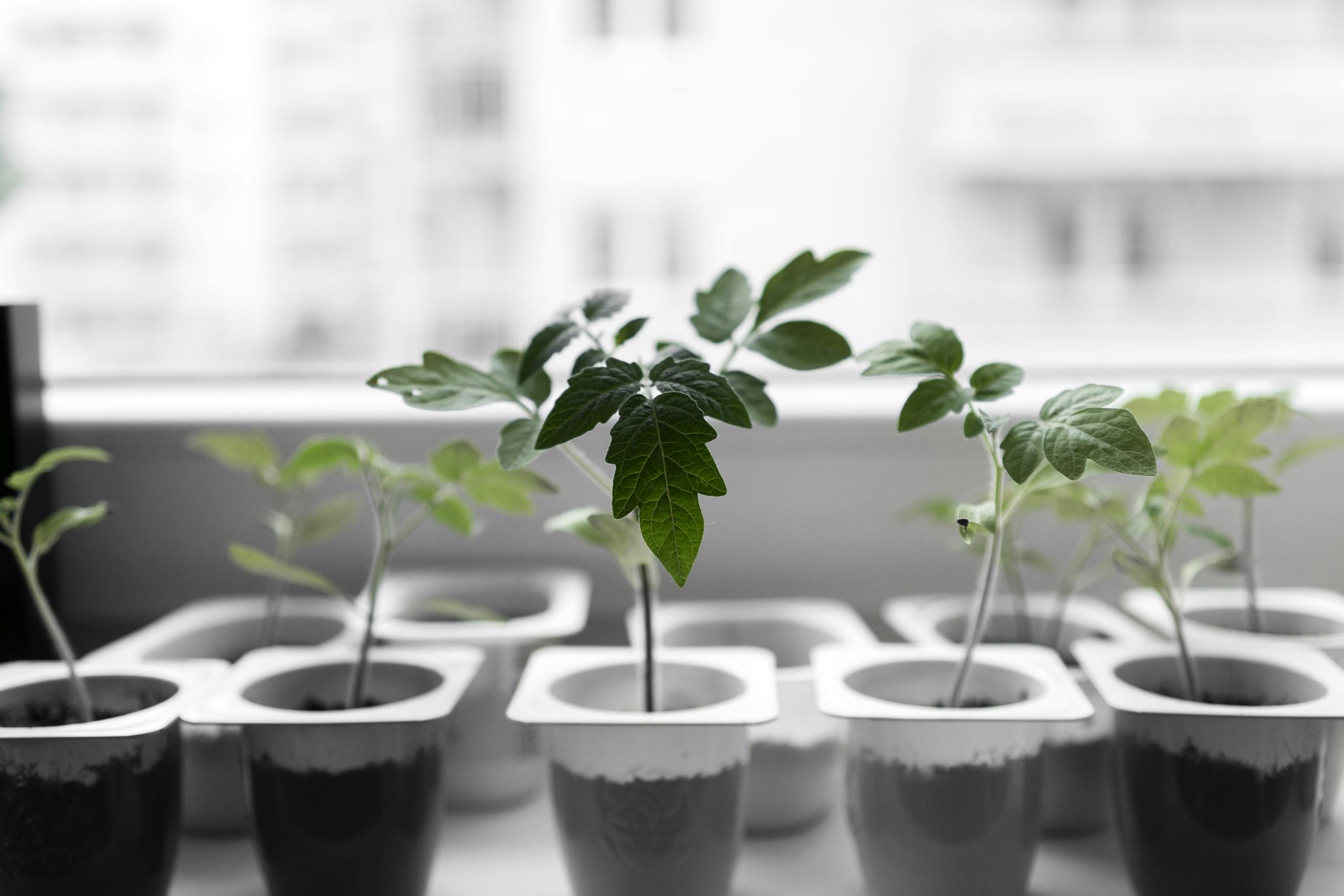
If you’d love to grow your own flowers for your garden this year, now really is the time to start preparing — especially if you’re happy to begin on a simple windowsill.
I know how easy it is to walk into a garden centre and feel completely overwhelmed. Rows and rows of plants, unfamiliar names, endless varieties… and price tags that seem to creep up every year.
Seeing plants priced anywhere from £5 to £30 can be enough to put anyone off altogether.
But growing your own flowers doesn’t have to be expensive at all.
In fact, it’s one of the cheapest – and most satisfying – ways to fill your garden with colour.
You Don’t Need a Big Budget to Grow Flowers
With the cost of living affecting so many of us, gardening can start to feel like a luxury.
It really doesn’t have to be.
You don’t need a greenhouse, raised beds or lots of equipment to get started.
All you really need is:
- a packet of seeds
- some compost (seed compost is best, but multi-purpose will still work)
- a few recycled containers (yoghurt pots, milk cartons or takeaway tubs are perfect – just add drainage holes)
- a bright windowsill
That’s it.
A small space indoors is more than enough to start growing flowers that can later be planted outside into pots, containers or borders.
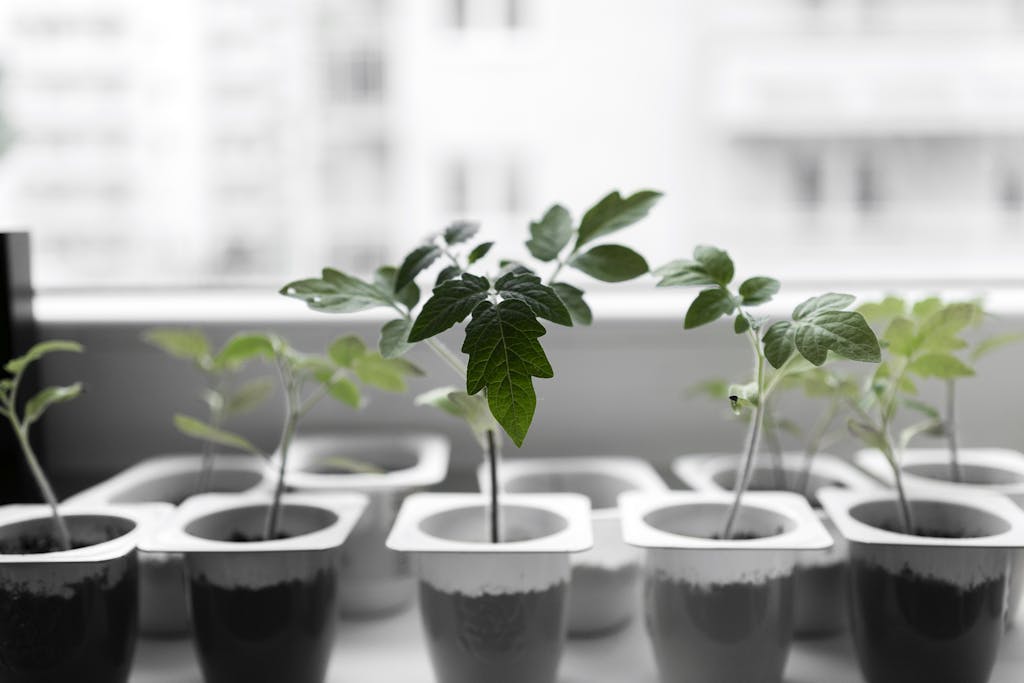
I showed you in my post, this time last year what I had already started. So far this year, I’ve only sown my sweet peas.
Once you feel more confident, you can invest a small amount of money in a cold frame or a mini greenhouse. That then opens up the option of starting some seeds much earlier – even in October and November.
Hardier plants such as lupins and snapdragons (antirrhinums) can be started under cover in autumn, as I’ve done myself, giving you a really useful head start on the season.
A Quick (and important) Note About Timing
If you’re in the UK, this time of year is ideal for starting some flowers indoors – but it’s still too early for most flowers to be sown outside.
Light levels are low and nights are cold, so think of this as a gentle head start rather than the main sowing season.
Not every flower is happy being sown early, and that’s completely normal.
The simplest and most reliable rule is this:
Always check the sowing instructions on your seed packet.
It will tell you whether the seed is best started indoors now, next month, or whether it’s happier being sown outside later in spring.
This tiny habit saves a lot of disappointment.
Why Starting From Seed is Such a Good Option
Buying ready-grown plants feels quick and easy, but starting from seed is far more budget-friendly.
One packet of seeds often costs less than a single plant – and that same packet can produce dozens of flowers.
You also get much more choice. Instead of being limited to whatever happens to be on the shelves that week, you can grow exactly what you love – whether that’s lupins, cosmos, sweet peas, or something completely new you’ve never tried before.
And there really is something special about watching a tiny seed turn into a plant you’ve grown yourself.
“But I Don’t Know How to Grow Anything…”
If you’re thinking, “I wouldn’t even know where to start”, you are definitely not alone.
The good news is that help is everywhere now. You can find simple, step-by-step seed-sowing videos on
YouTube,
TikTok,
Instagram and
Facebook.
You can literally watch someone sow seeds, water them and look after them from start to finish – all for free.
If you search for things like ziplock bag seeds, milk jug sowing or seed snails (a method popularised by Farida Sober, which I’ve adopted this year), you’ll quickly realise there really is a growing method out there to suit everyone and every type of space.
You don’t need expert knowledge.
You just need a little curiosity and the confidence to try.
A Small Tip That Really Helps Indoors
If you’re starting seeds early in the year, give them as much light as you possibly can.
When I say now is the time, I do want to be clear — sweet peas can be sown now, and a few other hardy types too, but for most flowers you are really preparing for your main sowing in March.
A bright, south-facing windowsill is ideal.
Turn your pots every few days so the seedlings don’t lean towards the light, and try not to keep them directly above a radiator.
This small change can make the difference between sturdy little plants and long, floppy seedlings.
Start Small – It Really is The Secret
You don’t need to grow everything at once.
Pick one or two types of flowers.
Sow a few seeds.
See how they get on.
Some will thrive. Some won’t – and that’s completely normal.
Even very experienced gardeners lose plants. It’s part of how you learn.
Gardening isn’t about getting it perfect.
It’s about learning as you go.
From Windowsill To Garden
Once the weather starts to warm up and the risk of frost begins to ease, your seedlings can slowly be moved outside.
This is called hardening off – simply putting plants outdoors for short periods at first and gradually increasing the time over a week or so.
It helps them cope with wind, cooler temperatures and real sunlight.
By starting seeds indoors now, you give your plants a head start – and when the season really gets going, they’re already strong and ready to grow on.
And when they finally flower, you’ll know you didn’t just buy them.
You grew them.
Give It a Go This Year
If you’ve ever thought about growing flowers but felt it was too expensive, too complicated or simply “not for you”, let this be your sign.
With very little money and just a small amount of space, you can create something genuinely beautiful.
So next time you pass a garden centre, don’t be put off by the price tags.
Pick up a packet of seeds, reuse what you already have at home, check the sowing instructions – and start small.
You might be surprised by how much you can grow… and how much you enjoy it too.